
Lupus is an autoimmune disease. It is a condition that medical professionals find very difficult to diagnose. There is no single test that will diagnose lupus. The signs and symptoms that closely mimic other medical conditions complicate the issue; many tests are conducted to help rule out other conditions that have similar symptoms. In this article, we will share with you some important information about the autoimmune disease lupus.
First, we will help you better understand the causes of lupus. Next, you will learn about who is at risk of getting the autoimmune disease known as lupus. Then, we will wrap up with some of the complications of this disease. Once you have finished reading, you will have the information you need to take the next steps in improving your overall health.
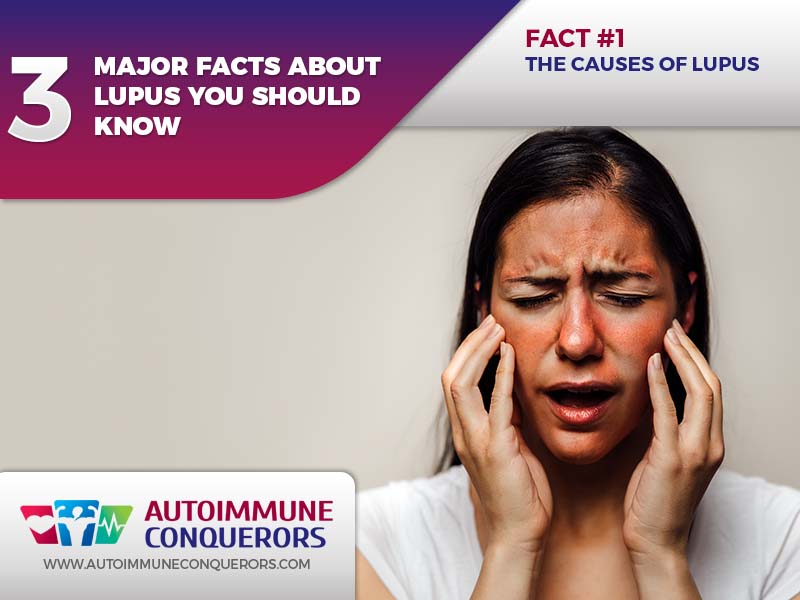
1The Causes Of Lupus
Your immune system is designed to identify and attack foreign bodies, such as bacteria and viruses, to keep you healthy. For reasons not fully understood, your immune cells can reprogram and attack your cells and tissues, causing autoimmune disease. What triggers the autoimmune system to cause lupus is not known. Scientists believe that either environmental factors, genetics, or, more likely, a combination of both are generally responsible. This combination of genetic predisposition and an external triggering event seems common to all expressions of autoimmune disease.
Potential triggers include sunlight, infection, and medication. It has been found that some blood pressure and anti-seizure medications and antibiotics have also been triggers. No two cases are exactly alike; the symptoms may appear suddenly or, in some cases, develop slowly. The symptoms can be mild or severe, temporary or permanent. The disease is characterized by periods where the symptoms are very active (termed "flares") and times of minimal or no symptoms (called "remission").

2Who Is At Risk?
Although lupus can affect all ages, the usual onset of the disease is between the ages of 15 and 45; nine out of ten patients are women, and Afro-American women are more likely than other races to have the condition. Lupus can be mild or life-threatening, depending on how seriously the body has been affected. There are a large number of symptoms of lupus. They vary greatly from person to person. It is considered very unlikely that one person will experience all of the possible symptoms.
The development of an unexplained low-grade fever is a sign of inflammation in the body. This is a classic symptom of lupus. Lupus is a disease that causes tissues in the body to become chronically inflamed. Joint and muscle pain are common for many people with lupus; itching, nausea, and swelling of the legs may indicate associated kidney damage. Most people with lupus can expect to live a normal or near-normal life span; however, this depends on how severe the disease is and if vital organs have been affected.

3Complications Of Lupus
Complications in the kidneys caused by the disease can become serious. Kidney failure is one of the leading causes of death among people with lupus. When lupus impacts the blood and blood vessels, it may lead to anemia, increased risk of bleeding, and blood clotting.
Lupus can cause an increased risk of developing an inflammation of the chest cavity lining. This can lead to pleurisy, which makes breathing painful. Bleeding into the lungs and pneumonia are also possible. The risk of cardiovascular diseases and heart attacks increases greatly if the inflammation of the heart muscle, arteries, or heart membrane has been caused by the onset of this disease.

Lupus is an autoimmune condition that medical professionals find very difficult to diagnose. The signs and symptoms that closely mimic other medical conditions complicate the issue, and doctors have yet to develop one test to determine the diagnosis of lupus. To help rule out other conditions that have similar symptoms, doctors administer many different tests. In this article, we shared with you some important information about the autoimmune disease lupus.
First, we helped you better understand the causes of lupus. Next, you learned about who is at risk of getting the autoimmune disease known as lupus. Then, we wrapped up with some of the complications of this disease. Now that you have finished reading, you have the information you need to take the next steps in improving your overall health.
.png)
.png)
.png)
.png)
.png)