
Inflammatory bowel disease is a generalized term for conditions that are characterized by chronic inflammation of the gastrointestinal tract. When the immune system functions correctly, it attacks organisms such as bacteria or viruses to protect the body. IBD is the result of a malfunctioning immune system responding to environmental triggers that cause inflammation and damage to the intestines. In this article, we will share with you some facts about inflammatory bowel disease.
First, you will learn some inflammatory bowel disease information. Next, we will get more specific and discuss Crohn's disease and ulcerated colitis. Then, we will wrap up with the complications of these diseases. Once you have finished reading, you will have the information you need to make the next steps to improving your health.
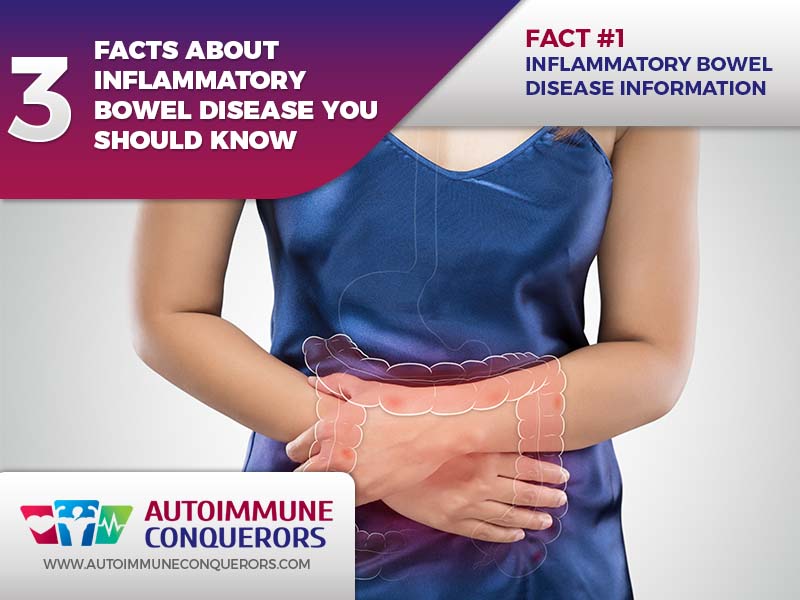
1Inflammatory Bowel Disease Information
Inflammatory bowel disease is not a progressive condition and does not necessarily get worse over time. The severity of symptoms varies from time to time and person to person. Flare-ups of symptoms often seesaw from mild to severe and back to mild again, while others may experience quite long periods of remission; sometimes, months or even years elapse between flare-ups. IBD interferes with the body's normal functions. When the disease is medicated to control inflammation, most people can perform normally, but if it's left untreated, it can be debilitating and sometimes lead to serious complications.
The treatment goal for inflammatory bowel disease is to control inflammation, relieve symptoms, and correct nutritional deficiencies. IBD can be diagnosed at any age. Although some don't contract the disease until their 50s or 60s, most people who develop inflammatory bowel disease do so before the age of 30. Studies have shown that the risk of developing the condition is higher in people who have a close relative, such as a parent, sibling, or child, with IBD. Some non-steroid inflammatory medications that may increase the risk of contracting inflammatory bowel disease are ibuprofen, naproxen sodium, and diclofenac sodium.
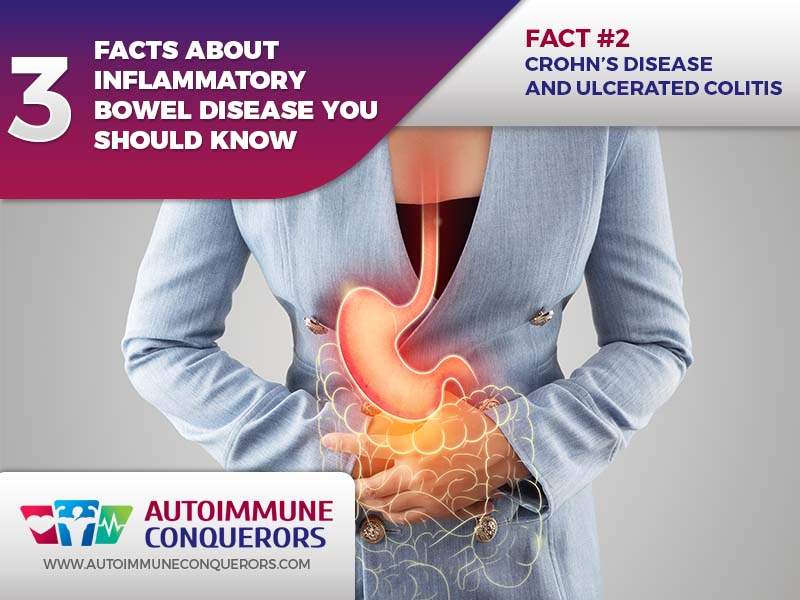
2Crohn's Disease And Ulcerated Colitis
Two of the most common and identifiable inflammatory bowel diseases are Crohn's disease and ulcerative colitis. Ulcerative colitis differs from Crohn's disease in that the inflammation is confined to the upper layers of the intestinal lining, whereas Crohn's disease causes inflammation throughout the whole thickness of the intestinal wall. The symptoms and treatments are similar for both diseases.
The symptoms common to both Crohn's disease and ulcerated colitis include diarrhea, fever and fatigue, abdominal pain and cramps, blood and mucus in the stool, decreased appetite, weight loss, nausea, and impaired growth in children. During periods of flare-ups of both diseases, there is an increased risk of developing inflammation of the eyes, skin lesions, and other disorders, including arthritis. IBD also increases the risk of blood clots. The side effects of some medications prescribed for inflammatory bowel disease may pose a small risk of developing high blood pressure and osteoporosis.
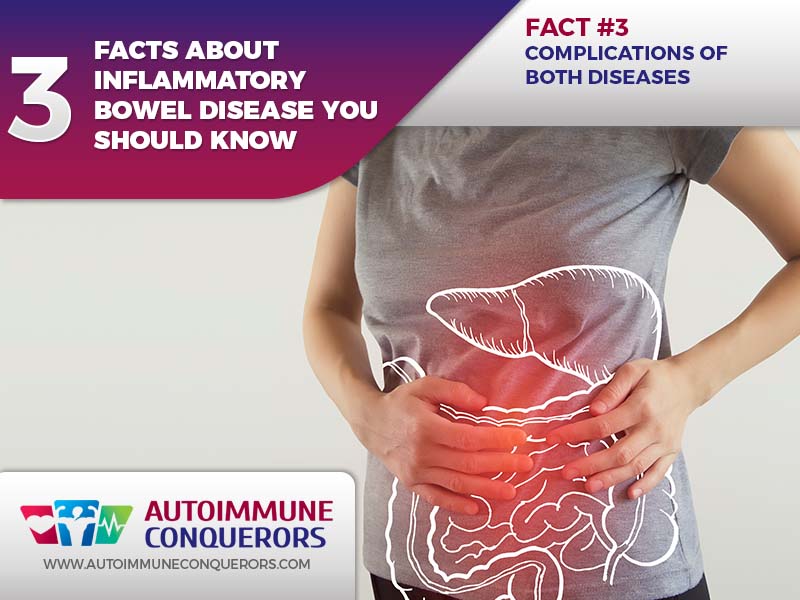
3Complications Of Both Diseases
Crohn's disease can cause parts of the bowel wall to thicken and narrow over time. When this occurs, the flow of digestive content is blocked; in some cases, surgery is required to remove the diseased section of the bowel. Because Crohn's disease causes a vitamin B12 deficiency, it is common for patients with the disease to develop anemia. The effects on the body, diarrhea, abdominal pain, and cramps, make it difficult to eat. Malnutrition can occur when the intestine is unable to absorb enough nutrients to provide adequate nourishment, and chronic inflammation often leads to ulcers anywhere in the digestive tract, including the mouth, anus, and genital area.
A complication of ulcerative colitis disease is the enlargement and dilation of a certain part of the colon. This is associated with severe and intractable constipation and is a serious disorder known as toxic megacolon. Dehydration can also become a problem for people with this disease because of excessive diarrhea caused by the disorder.

Inflammatory bowel disease is a generalized term for conditions that are characterized by chronic inflammation of the gastrointestinal tract. The immune system attacks organisms such as bacteria or viruses to protect the body when it is functioning correctly. A defective immune system responding to environmental triggers that cause inflammation and damage to the intestines are the result of IBD. In this article, we shared with you some facts about inflammatory bowel disease.
First, you learned some inflammatory bowel disease information. Next, we got more specific and discussed Crohn's disease and ulcerated colitis. Then, we finished with the complications of these diseases. Now that you have finished reading, you have the information you need to make the next steps to improving your health.
.png)
.png)
.png)
.png)
.png)