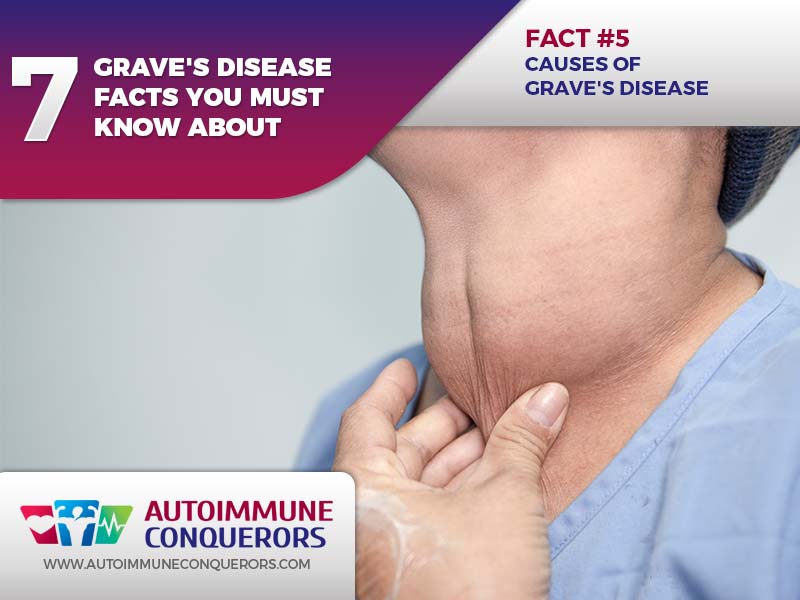
5Causes Of Grave's Disease
As with all autoimmune diseases, heredity is believed to be a factor. People with a family member who also has an autoimmune disease appear to be more susceptible to the disease. Stress and infection are also thought to be possible triggers for those predisposed to the disease.
Those aren't the only links. A recent study has found that 30% of women who get Grave's disease have been pregnant in the twelve months before the onset of the symptoms. This gives a strong indication that pregnancy may be a trigger for some people.
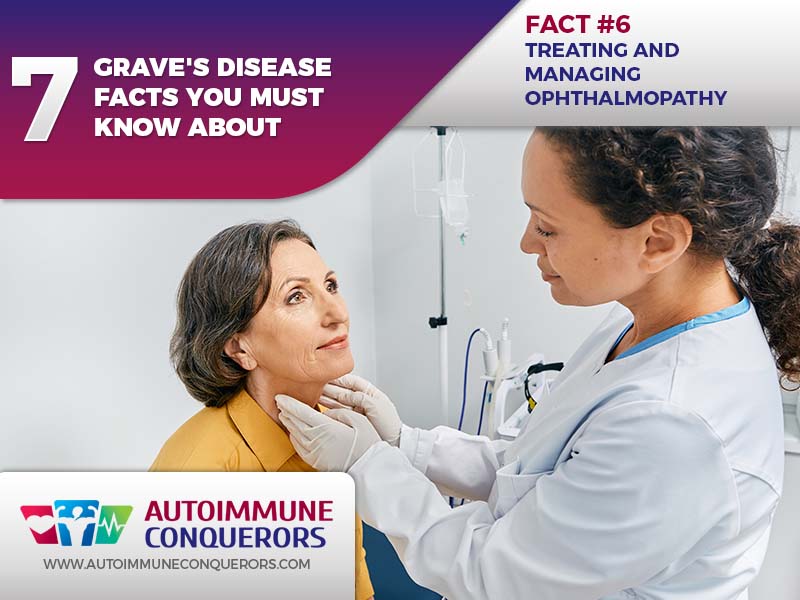
6Treating And Managing Ophthalmopathy
Mild eye symptoms of Grave's ophthalmopathy may be managed by using over-the-counter medication. Patients can use artificial tears during the day and lubricating gel at night. Surgery to remove the bone between the eye socket and the sinuses is called orbital decompression.
The air space next to the orbit provides the eyes room to move back to their original position. This surgery can be recommended when pressure on the optic nerve threatens the loss of vision. Although beta-blockers do not inhibit the production of thyroid hormones, they do block the effects of hormones on the body. They may have rapid relief for irregular heartbeat, tremors, heat tolerance, sweating, and muscle weakness.
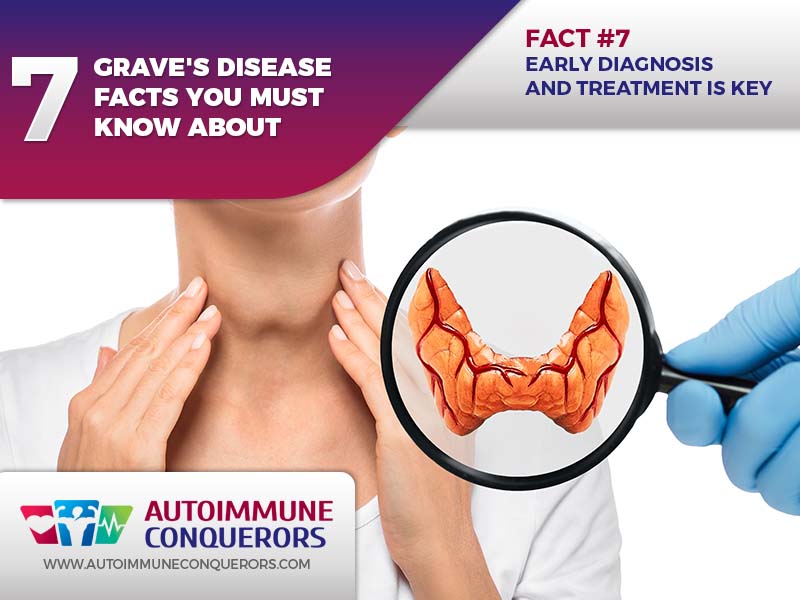
7Early Diagnosis And Treatment Are Vital
Grave's disease is a condition in which the thyroid gland produces too much hormone (hyperthyroidism). The release of excessive thyroid hormone speeds up the body's metabolism and some of its processes, such as heart rate. This can have a significant impact on your health and well-being.
Although many different conditions can trigger an overactive thyroid, the most common cause is Grave's disease. Early diagnosis and treatment are essential, as this condition can have a wide-ranging and significant influence on the body. For some people, the symptoms are mild.
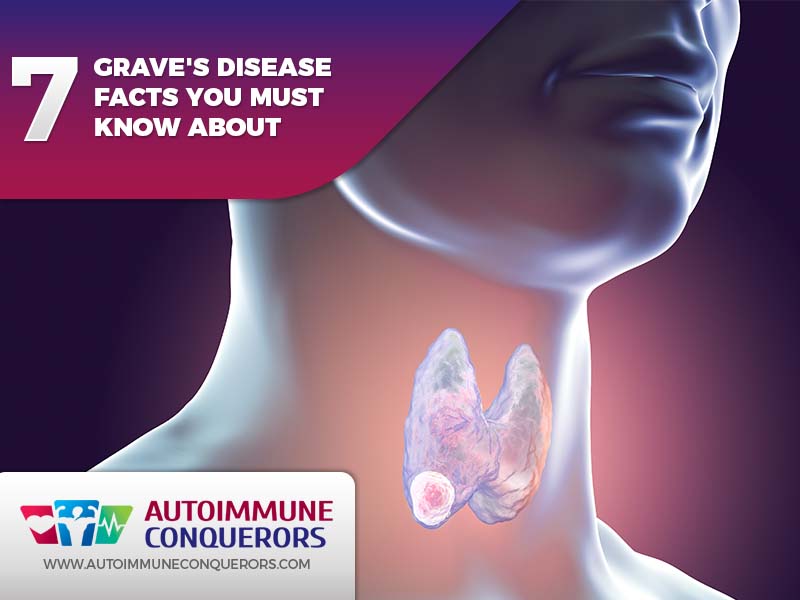
The immune system creates antibodies that stimulate the thyroid gland, and the result is Grave's disease. It's one of the many autoimmune diseases. The thyroid gland enlarges and produces excessive amounts of thyroid hormones. In this article, we shared with you some information about Grave's disease that can, hopefully, get you back on track to better overall health.
First, you learned what to look for when it comes to Grave's disease and thyroid eye disease. Next, you learned about chemical therapy done with iodine and the surgical option for Grave's disease. Then, we covered the causes of Grave's disease and treating ophthalmopathy, and we wrapped up with early diagnosis and treatment. Now that you have finished reading, you have the information you need to take control of Grave's disease and start enjoying better health.
.png)
.png)
.png)
.png)
.png)