Viruses cause many types of hepatitis. Autoimmune hepatitis (AIH) is one exception. This type of liver disease occurs when your immune system attacks your liver cells. AIH is a chronic condition that can result in cirrhosis (scarring) of the liver. In this article, we will share with you important information you need to know about autoimmune hepatitis.
First, you will learn about the symptoms of autoimmune hepatitis and autoimmune hepatitis diagnosis. Next, we will discuss how autoimmune hepatitis is treated. Then, we will cover the complications of autoimmune hepatitis and wrap up with the causes of autoimmune hepatitis. Once you have finished reading, you will know this vital information about autoimmune hepatitis.

1Symptoms Of Autoimmune Hepatitis
Symptoms can range from minor to severe. They can include fatigue, joint and muscle pain, feeling very unwell, vomiting, and for women, loss of menstruation. Jaundice can develop if inflammation is severe.
Persistent untreated inflammation causes liver damage. It may lead to scarring of the liver, a condition known as cirrhosis. This can result in serious problems and liver failure in severe cases.
2Autoimmune Hepatitis Diagnosis
The presence of hepatitis is often discovered when patients are undergoing medical tests for unrelated disorders. Blood tests are called liver function tests. These give a general guide on how well the liver is functioning and if it is inflamed.
These tests can confirm the presence of hepatitis but not the cause of the disease. Other tests and a liver biopsy can identify the type of cells involved in the inflammation. This can rule out other causes of hepatitis and help confirm the diagnosis of autoimmune hepatitis.
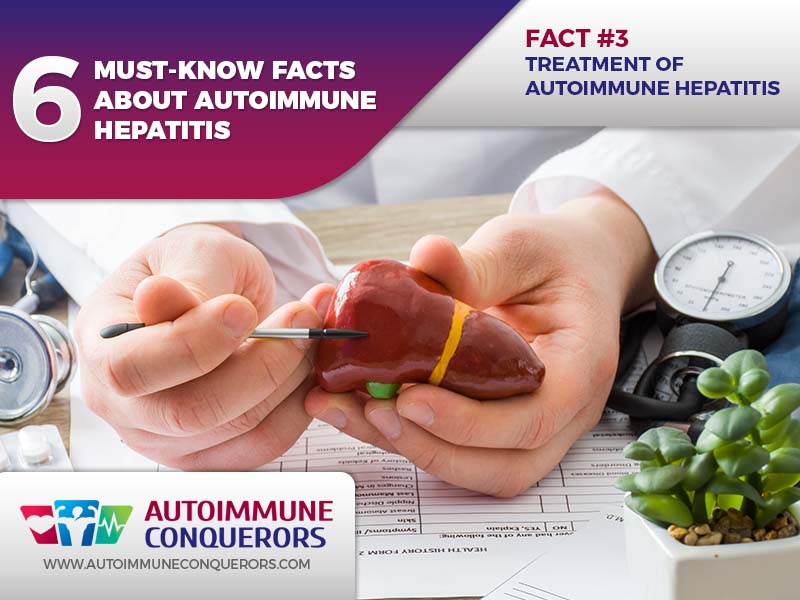
3Treatment Of Autoimmune Hepatitis
With early and ongoing treatment for autoimmune hepatitis, the prognosis is very good, and the disease is manageable if treatment protocols are followed. Early treatment helps control inflammation and reduces the risk of complications. Long-term treatment can stop the disease from escalating and may even reverse some of the damage to the liver. Steroid medication (usually prednisolone) is the usual first treatment, as steroids are good at reducing inflammation. A high dose is usually needed for the first month of treatment, but to reduce the risk of side effects, the dose is gradually lowered over the next few months.
Monitoring will allow the doctor to ultimately determine the lowest effective maintenance dose. Adding an immune system suppressor (azathioprine) also helps avoid the side effects of prednisolone. Most people need to continue medication for one or two years. Even if there are periods of remission, the disease often reappears if the treatment is discontinued. Some people need to remain on medication for life.
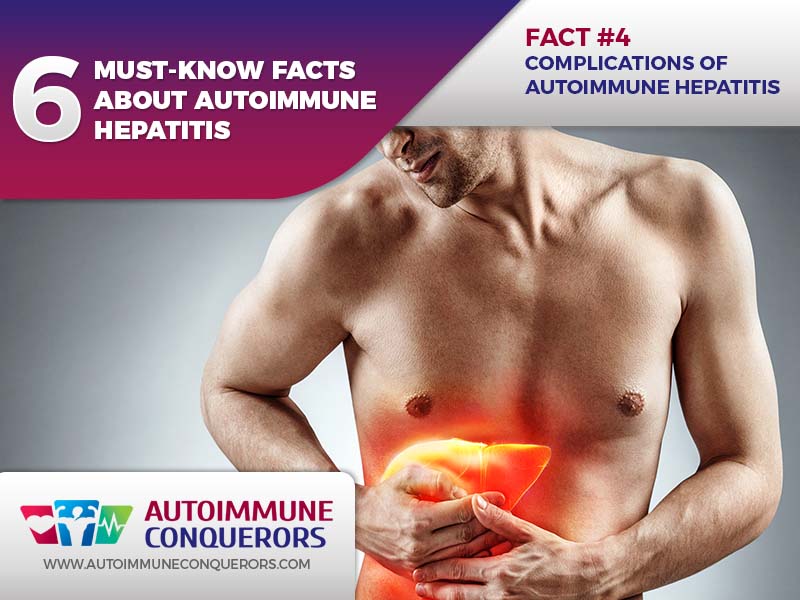
4Complications Of Autoimmune Hepatitis
Cirrhosis of the liver occurs when the liver tissue is damaged, resulting in fibrosis or scar tissue. In the early stages, it rarely exhibits signs or symptoms of the disease. It worsens steadily over time.
However, as liver function gradually deteriorates, the problem becomes serious. Liver failure occurs when the extent of the damage to the liver cells prevents the liver from functioning adequately. A liver transplant usually becomes necessary.
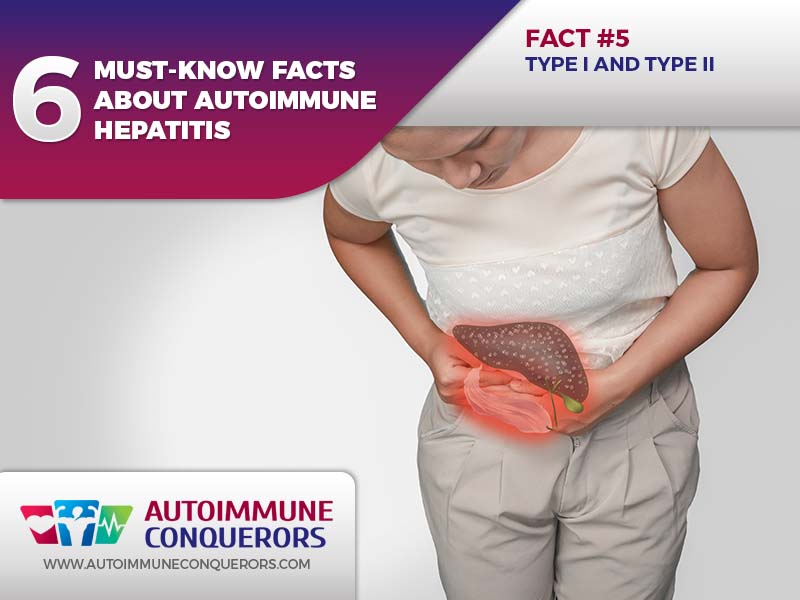
5Type I And Type II
Type 1 autoimmune hepatitis is the most common type of the disease. Although it can affect anyone of any age, it most commonly develops in women aged around 45. Type 2 autoimmune hepatitis primarily affects young girls between the ages of two and fourteen and is much less common than type 1 hepatitis.
In many cases of autoimmune hepatitis, the symptoms develop gradually over weeks or months. Often, at the time of diagnosis, there are very mild symptoms. Many times, there are no symptoms at all.
6Causes Of Autoimmune Hepatitis
When white blood cells (lymphocytes) erroneously attack the liver cells, they cause inflammation and damage the liver. This results in the condition of autoimmune hepatitis. There are two types of autoimmune hepatitis.
Evidence suggests that a predisposition to autoimmune disease may run in families. Already having an autoimmune disease, such as rheumatoid arthritis, celiac disease, or Grave's disease, could make you more likely to develop autoimmune hepatitis. Early detection is the key.
There are many types of hepatitis caused by viruses. There is one exception, autoimmune hepatitis. When your immune system attacks your liver cells, the result is this type of liver disease. Cirrhosis (scarring) of the liver is the aftermath of the chronic condition known as autoimmune hepatitis. In this article, we shared with you important information you need to know about autoimmune hepatitis.
First, you learned about the symptoms of autoimmune hepatitis and the autoimmune hepatitis diagnosis. Next, we discussed how autoimmune hepatitis is treated. Then, we covered the complications of autoimmune hepatitis and wrapped up with the causes of autoimmune hepatitis. Now that you have finished reading, you know this vital information about autoimmune hepatitis.
Tags: symptoms of autoimmune hepatitis; autoimmune hepatitis diagnosis; treatment of autoimmune hepatitis; complications of autoimmune hepatitis; causes of autoimmune hepatitis; facts about autoimmune hepatitis
.png)
.png)
.png)
.png)
.png)