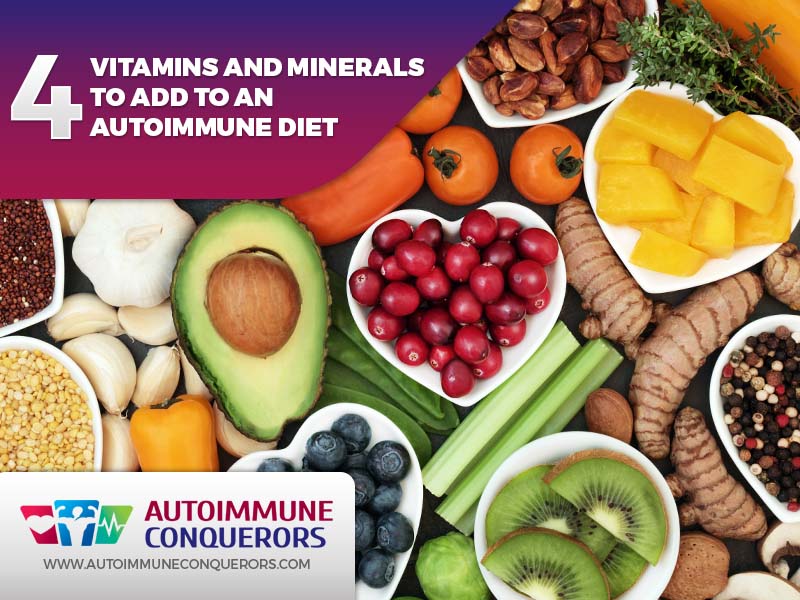
Nutrition is one of the most overlooked aspects of health. Unfortunately, traditional western approaches to medicine have typically involved the use of man-made medications that often carry unpleasant side effects. Often, those who deal with autoimmune diseases end up suffering an entirely new range of symptoms that have been brought on by medications that are prescribed to lessen their already frustrating symptoms. What then can a person in this position do?
Science has given doctors the ability to see which minerals and vitamins can be the most beneficial in these cases. We'll be going over four of these today. First, we'll talk about getting more vitamin D if you don't live in a sunny environment. Then, we'll go over selenium and also magnesium. And finally, we'll talk about the significant benefits of vitamin E.

1Vitamin D
This vitamin is relatively easy to achieve for people who live in areas that are fortunate enough to have an abundance of sunlight. However, if you live in an area that is known to be gloomy at times, it can be very challenging. If you are a person who is living with an autoimmune disease, this could be very problematic.
Vitamin D is responsible for the activation of T cells that help provide major components of your immune system. T cells are in charge of telling your immune system which cells are yours and which are invasive agents. Without these, you run the risk of your immune system attacking important cells in your own body.
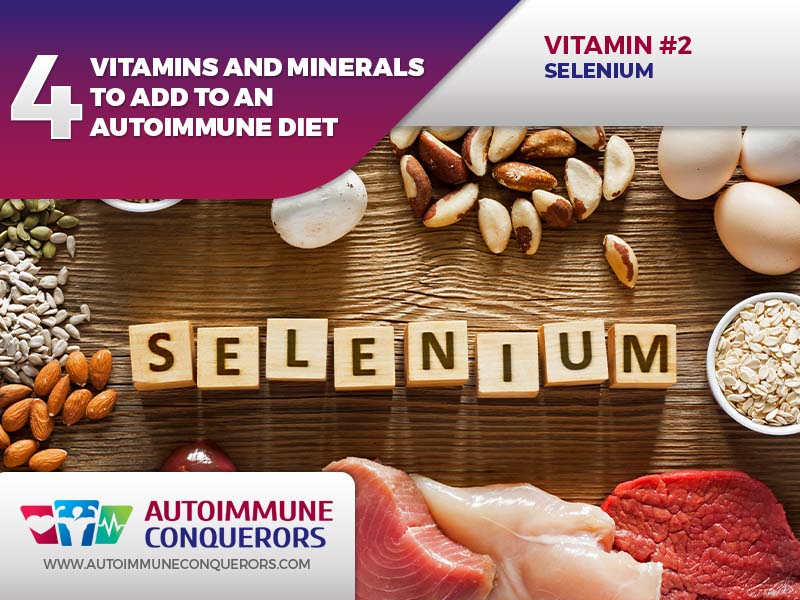
2Selenium
Did you know that selenium has a major impact on autoimmune diseases? In the last few years, extensive research has revealed that selenium has a dramatic effect on diseases that cause chronic inflammation. Without selenium, your thyroid wouldn't function quite as well.
People who deal with diseases, like Hashimoto's disease, have also been reported as having a reduced amount of antibodies. This means fewer attacks on the thyroid and other important cell groups. Taking selenium can really help bolster your body's defenses.
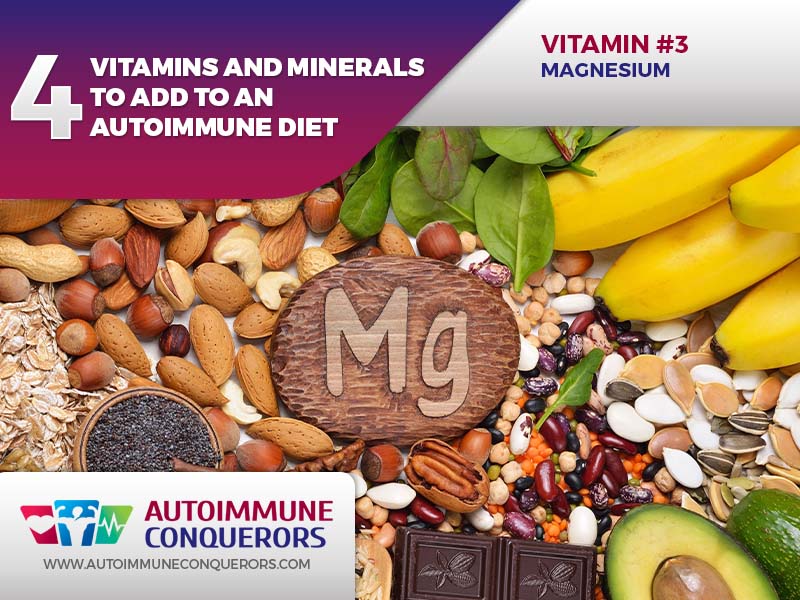
3Magnesium
Due to the extremely high content of sugar in nearly every food group, your body's storage of vital nutrients, like magnesium, in combination with constant stress creates an environment in your body that leaves you depleted of this mineral. The lack of magnesium has also been found to greatly contribute to a buildup of cytokines. These are responsible for providing an environment in your body that makes inflammation more possible.
This can become extremely serious for people who are at high risk of heart disease. Inflammation in circulatory tissues could cause strokes, blood clots, or even heart attacks. Keeping your magnesium levels steady can help prevent this.
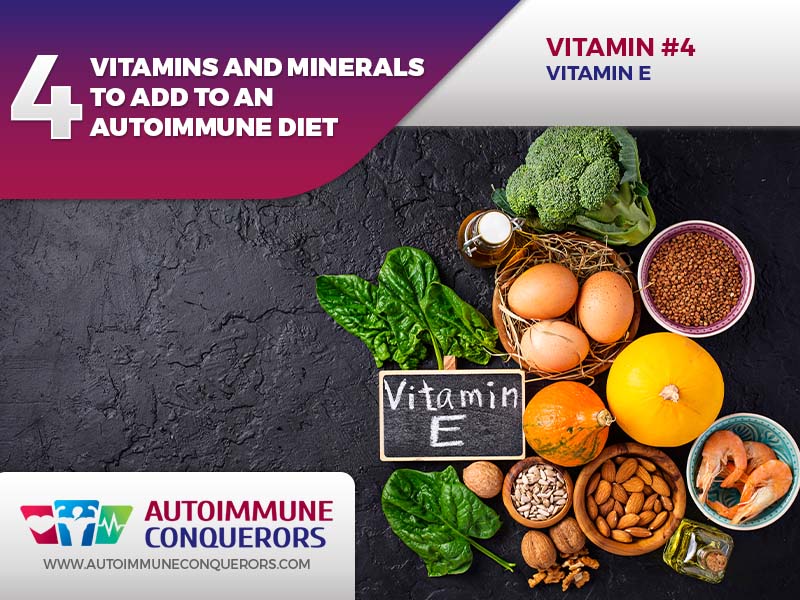
4Vitamin E
One of nature's gifts, vitamin E, is high in antioxidants that help fight free radicals. It also reduces damage to your system, including inflammation. This is just one reason to increase your vitamin E.
Vitamin E can also serve as an antimicrobial source. Antimicrobials fight microorganisms, like bacteria and fungi. Keeping your body free of dangerous microorganisms is a vital part of maintaining health, and vitamin E can help.
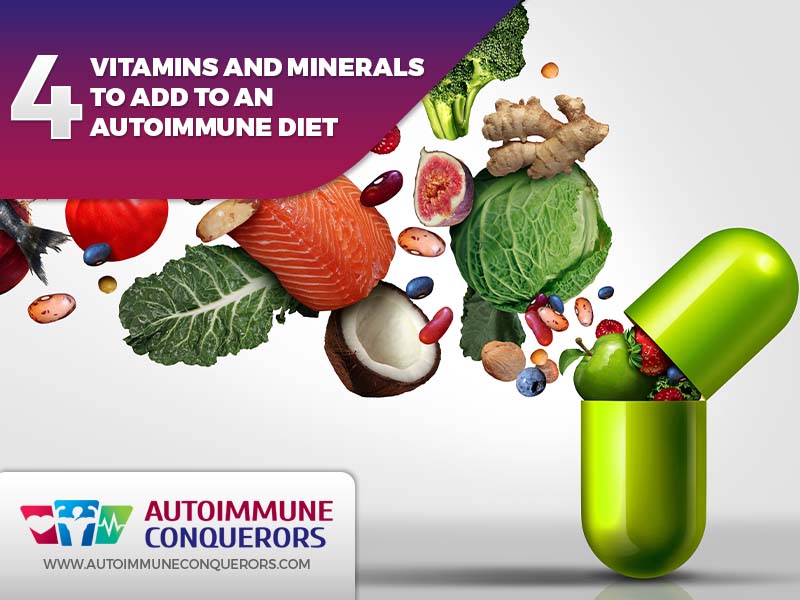
Now, you know some great vitamins and minerals, so make sure that you put plenty of them in an autoimmune diet. First, we discussed the importance of vitamin D. Then, we talked about how selenium and magnesium can help you. And finally, we went over how vitamin E can improve your health.
Modern medicine can sometimes have as many problems as benefits. But you can take your health into your own hands! By supplementing your diet with these vitamins and minerals, you can make sure that your autoimmune health stays maintained.
.png)
.png)
.png)
.png)
.png)