
An autoimmune disease is a condition where the immune system mistakenly starts attacking healthy body cells. Unless corrected on time, an autoimmune response can lead to many health conditions, including multiple sclerosis, inflammatory bowel syndrome, rheumatoid arthritis, and diabetes, among others. Some of these conditions are worryingly on the rise today and a reason for concern. However, there are a number of measures and steps you can take to reduce your risk of developing an autoimmune condition. Fasting is among the best strategies for combating autoimmune diseases.
This article will discuss the various types of autoimmune conditions and factors that trigger the development and progression of the same. We will talk about fasting and how it affects or helps the immune system and simple ways to make fasting stress-free. The key is to know when and how to improve an autoimmune condition.

1Gut Dysbiosis And Infections
You might know that approximately 75% of your immune system is in the gastrointestinal tract. Healthy bacteria help keep the gut in good shape; you should strive to keep it that way by eating well-balanced and nutritious meals. Poor eating habits and stress contribute to an imbalance of gut flora, triggering a myriad of conditions, including a weak immune system and leaky gut syndrome. Haaving a leaky gut is infamous for triggering autoimmunity.
The leaky gut syndrome is characterized by a loose gut lining that allows undigested or large food particles, toxins, and microbes to pass through the bloodstream. The immune system automatically detects the foreign particles, triggering inflammation and an autoimmune response. An infection can also trigger an autoimmune response. Some of these infections will or may lie undetected or dormant for years, only to be triggered at some point in time. Examples of conditions that can trigger an autoimmune response are EBV (Epstein-Barr virus), viruses responsible for herpes simplex 1 and 2, and E. coli.

2Food Sensitivities And Allergies
Food allergies are also believed to trigger inflammation. Food sensitivities can sometimes cause an autoimmune response. Consuming foods that you are allergic or sensitive to may not have an immediate impact.
However, inflammation triggered over time can lead to conditions. It might cause skin problems, digestive issues, fatigue, and headaches. Examples of foods most people are sensitive to include sugar, dairy, gluten, legumes, nuts, nightshade foods, and seeds.
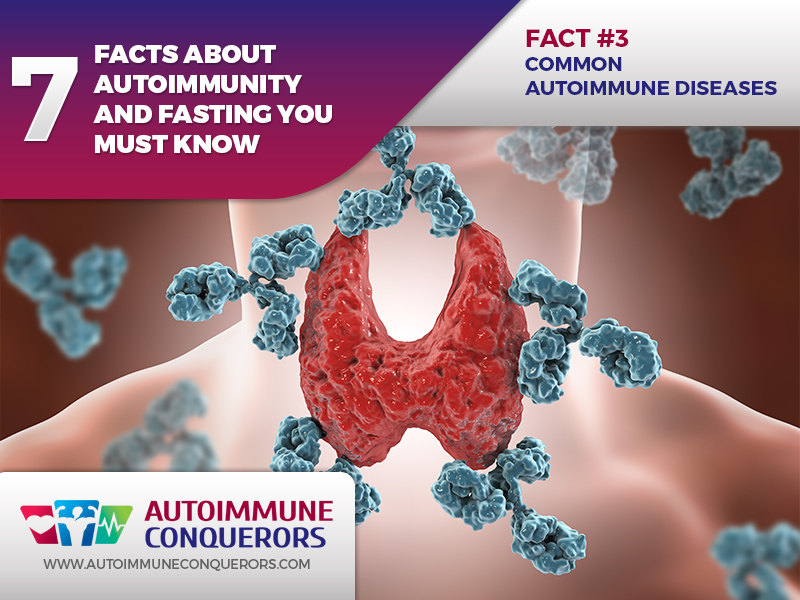
3Common Autoimmune Diseases
An autoimmune disease can be loosely defined as a condition where your immune system starts attacking your body. Your immune system is supposed to protect you from invaders and foreign compounds, such as fungi, bacteria, viruses, and toxins. It should only attack intruders.
It should not attack healthy body cells. A healthy immune system can distinguish between your cells and foreign or harmful cells. It's only after identifying foreign bodies or microbes that the immune system releases autoantibodies to fight or flush them.

4Common Autoimmune Conditions
Rheumatoid arthritis: Rheumatoid arthritis is a condition that affects your joint health. It affects the joints in the hands, knees, and wrists. The common symptoms include soreness, pain, redness, stiffness, and warmth around the joints.
Celiac disease: This condition is directly linked to gluten consumption. Consuming anything with gluten immediately triggers an autoimmune response, causing inflammation in the gut. Symptoms of gluten sensitivity include digestive issues, skin reactions, and fatigue after ingesting anything with gluten. Avoiding foods with gluten and watching out for cross-contamination is the best way to manage celiac disease.
Inflammatory bowel disease (IBD): IBD, in addition to Crohn's disease and ulcerative colitis, affects the gut. Crohn's disease can affect the entire gut. On the other hand, ulcerative colitis only affects the large intestine and rectum.
Autoimmune thyroid conditions: Hashimoto’s thyroiditis triggers the slow production of thyroid hormones. Grave’s disease, on the other hand, triggers the excess production of hormones. The known symptoms of Hashimoto’s disease include hair loss, colds, weight gain, and fatigue. The symptoms of Graves disease include heat intolerance, weight loss, heightened heartbeat, and anxiety.
Lupus: Lupus is an autoimmune condition that affects several parts of the body. This includes the kidneys, heart, joints, brain, and skin. The signs and symptoms of lupus are rashes, pain, and fatigue.
Psoriasis and psoriatic arthritis: This condition mainly affects the skin, causing the skin cells to multiply faster than usual. This leads to dry scales and red skin patches. Studies show that 25% of individuals with psoriasis developed a type of arthritis as well.
Multiple sclerosis: Multiple sclerosis damages the myelin sheet. This is the protective coating around the nerve cells. The symptoms of MS include balance problems, numbness, weakness, and issues with mobility.
Type 1 diabetes: Type 1 diabetes is characterized by the inability to regulate blood sugar. This is due to irregular insulin production. The common symptoms include fatigue, frequent urination, thirst, hunger, and blurred vision.
.png)
.png)
.png)
.png)
.png)