Although more and more people are starting to have alopecia, no dietary or lifestyle modification has been found. With the current treatments available, there is still no way to just turn this disease off. Treatments will need to be continued until the disease turns itself off. In this article, we shared with you some facts that you should know about alopecia.
First, you will learn that you can't predict hair loss due to the unpredictability of this disease, and then, we will take a look at the treatments for alopecia. Next, you will learn what causes alopecia areata. Then, we will cover how this disease affects people and wrap up with what could be the possible triggers of this type of hair loss. Once you have finished reading, you will have a better understanding of alopecia and its causes.
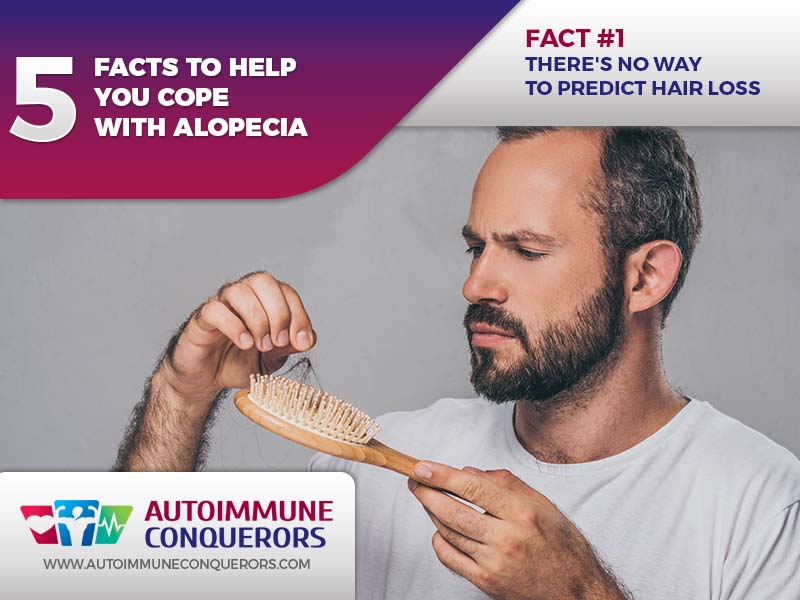
1There's No Way To Predict Hair Loss
When complete baldness is the result of autoimmune disease, it is called alopecia areata totalis. When the same condition causes the loss of all head hair, together with all the body hair, it is called alopecia areata universalis. These types of hair loss tend to be long-lasting, even permanent.
However, with the uncertainty of this disease, there is no way of predicting if hair loss will be temporary or permanent. Regardless of how much hair is lost, the follicles remain alive. Hair regrowth may occur after many years, even without treatment.
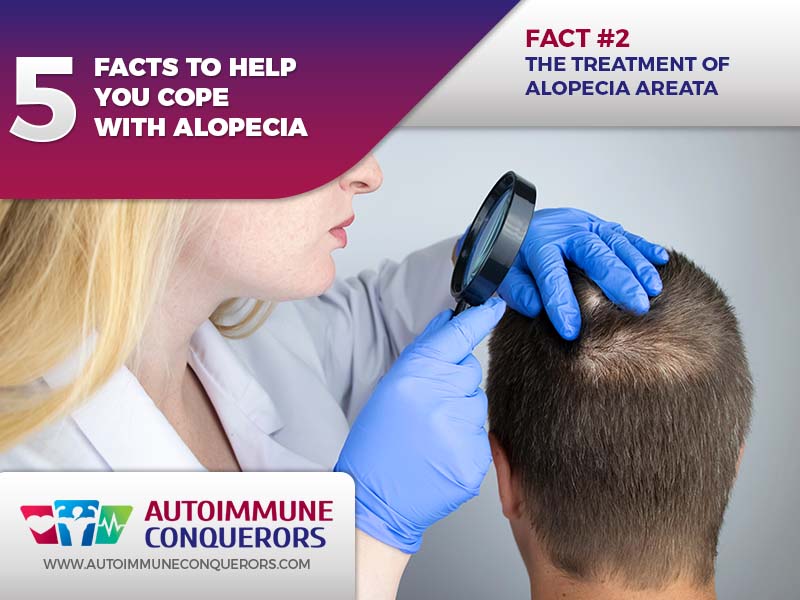
2The Treatment Of Alopecia Areata
When there are only one or two small bald patches, no treatment is the common option. Bald patches in mild cases often regrow hair in a matter of months. When less than half of the scalp is affected, the doctor's advice is usually to wait and see.
The chances of hair regrowth within one year without treatment for this group is eight out of ten. One or more recurrences of alopecia areata are common for those who have it. This is the case even if full regrowth of hair occurs after the first episode.
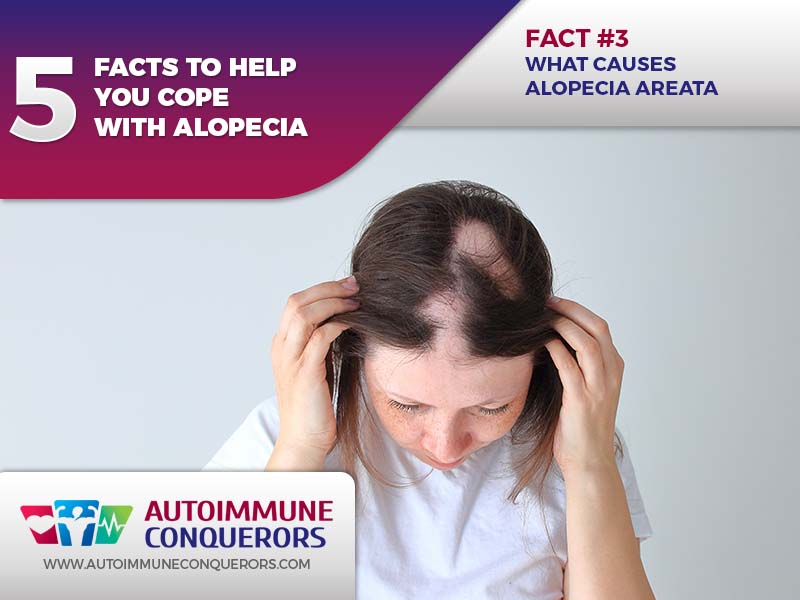
3What Causes Alopecia Areata
Scientists do not know what the trigger is that causes the autoimmune disease to start and stop hair growth or why the immune system suddenly disrupts the normal functioning of the hair follicles. They believe that heredity plays a part but is not the only answer. Studies show that there is a loose genetic correlation and that 20% of people with this condition have a close family member with the disease.
Researchers also suggest that viruses, infections, medicines, and environmental factors are all possible causes. Stress is also believed to have an impact. Scientists keep searching for the elusive trigger. Its discovery will allow people who have it to avoid relapses.
4The Effects Of Alopecia Areata
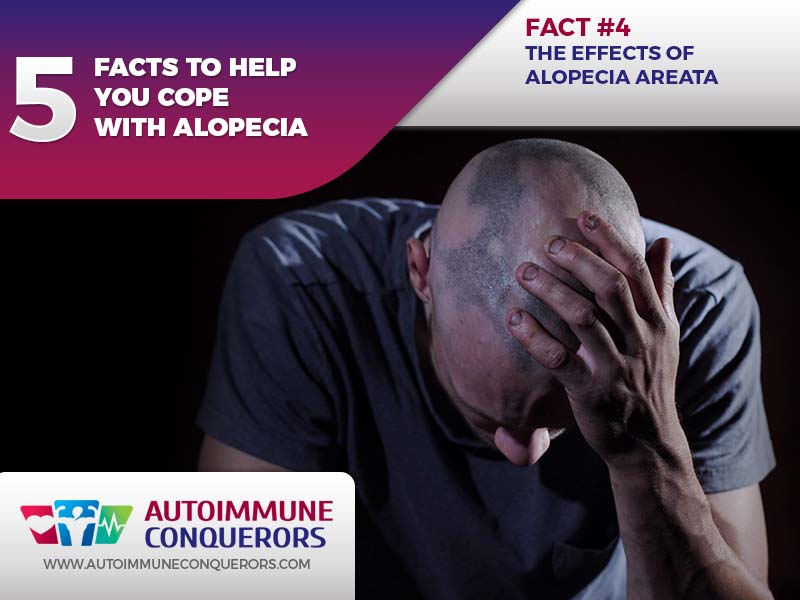
There is no scarring or physical pain associated with the condition, and the affected hair follicles are not destroyed. Often, as one patch is regrowing, another patch is appearing. Apart from the bald patches, the scalp usually has a healthy appearance. Occasionally, there may be slight redness and a mild burning or itchy feeling. The size of the bald patches and the time they last are variable.
The condition can be embarrassing and very upsetting. The stress, especially on young boys who are unable to hide the condition because of short hair, is severe. Surveys have found that the suicide rate among these young patients is higher than would be expected. This is especially tragic, considering the disease affects appearance rather than physical health.
5The Triggers Of Alopecia (Hair Loss)
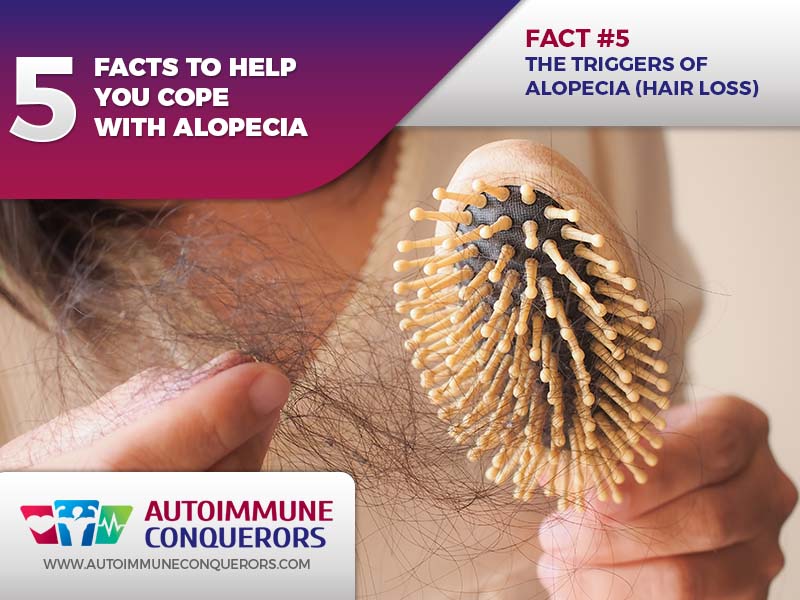
Alopecia areata is a skin condition that occurs as a result of our immune system mistakenly attacking our healthy tissues. This creates a condition called autoimmune disease. Autoimmune disease can present itself in different ways, depending on which body part is affected. When the immune system damages the hair follicles, the result is hair loss.
One or more bald patches appear on the scalp. These patches are usually round in shape and the size of a large coin. Occasionally, the beard, eyebrows, eyelashes, or other body hair are also affected. Alopecia areata can occur at any age; however, it usually affects children, teenagers, and young adults. Research shows that the first attack of this disease usually happens before the age of 30.
No dietary or lifestyle modification has been found, although more and more people are starting to have alopecia. With the current treatments available, there still is no way to just turn this disease off. Treatments will need to be continued until the disease turns itself off. In this article, we shared with you some facts that you should know about alopecia.
First, you learned that you couldn't predict hair loss due to the unpredictable nature of this disease, and then, we took a look at the treatments for alopecia. Next, you learned what causes alopecia areata. Then, we covered how this disease can affect people and wrapped up with what could trigger this type of hair loss. Now that you have finished reading, you have a better understanding of alopecia and its causes.
Tags: treatment for alopecia areata; causes of alopecia areata; the effects of alopecia areata; the triggers of alopecia; facts about hair loss or alopecia; coping with alopecia; dealing with hair loss
.png)
.png)
.png)
.png)
.png)