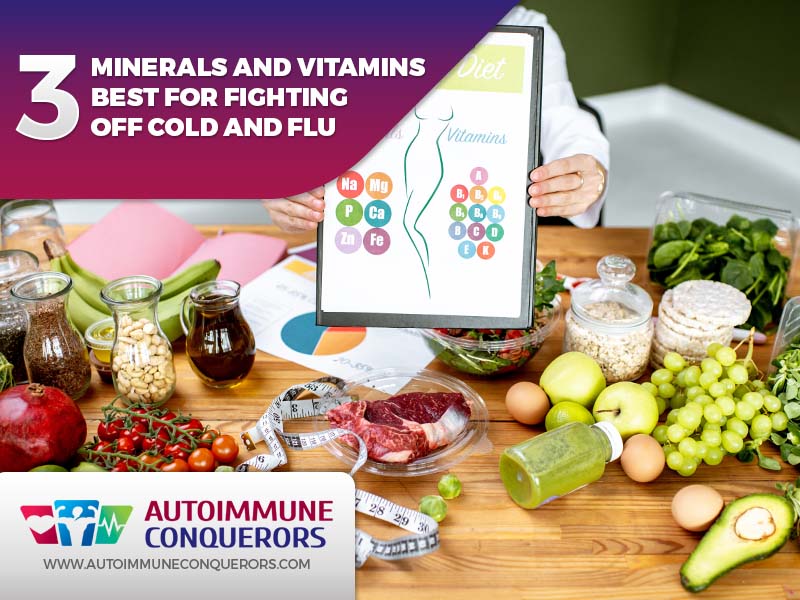
Getting enough nutrients throughout the day can help prevent getting the cold and flu by boosting your immune system. In fact, if you develop symptoms, the proper nutrients will also allow you to treat your cold and flu. Listed below are some essential minerals and vitamins that work best for fighting off cold and flu symptoms.
First, we'll talk about some benefits of zinc. Then, we'll cover some sources and perks of vitamin C, ending with discussing the importance of getting enough vitamin D.
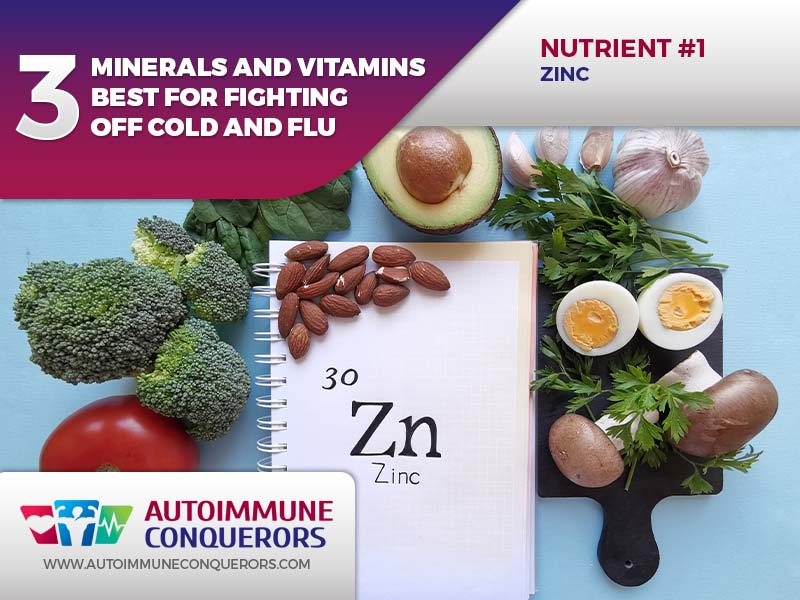
1Zinc
When you are suffering from a cold or flu, it's not always easy to get the proper minerals and vitamins you need because you may not be hungry or have the nauseous feeling that keeps you from wanting to swallow anything. If this is the case for you, you may need to take an additional supplement to get the nutrients you need.
For starters, you will need to take zinc. Zinc is excellent for many illnesses and general health, especially if you have a cold. It can help your immune system get all the nutrients it needs. Plus, zinc works great in a lozenge when you have a sore throat from a cold or flu.
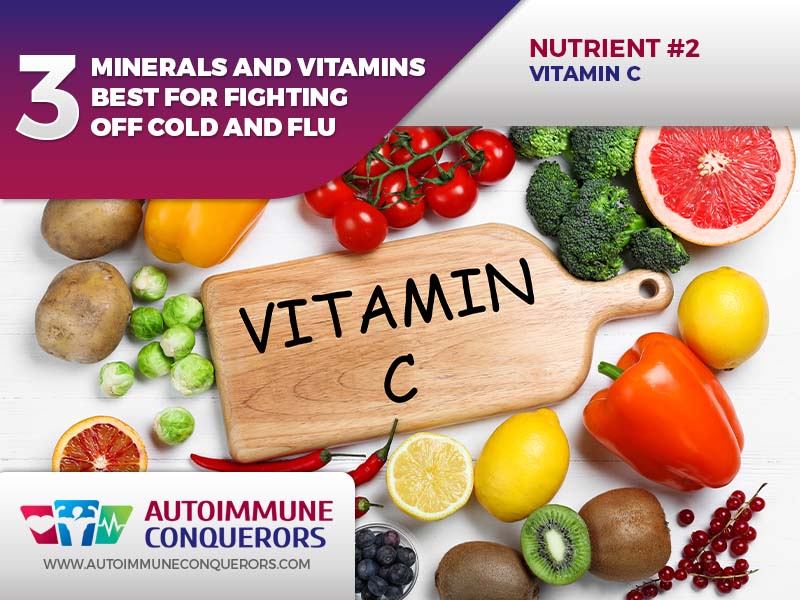
2Vitamin C
Treating a cold and getting more vitamin C go hand-in-hand. A lot of over-the-counter treatments boast about having vitamin C because this is one of the best nutrients for your immune system. With a more robust immune system, you can prevent illnesses like colds and flu.
However, you can also treat a cold even after you already have it. Getting more vitamin C into your body can help reduce how long you have a cold and keep it from worsening. Try to get natural sources of vitamin C first, such as citrus fruits, veggies like broccoli and brussels sprouts, and juice without added sugar.
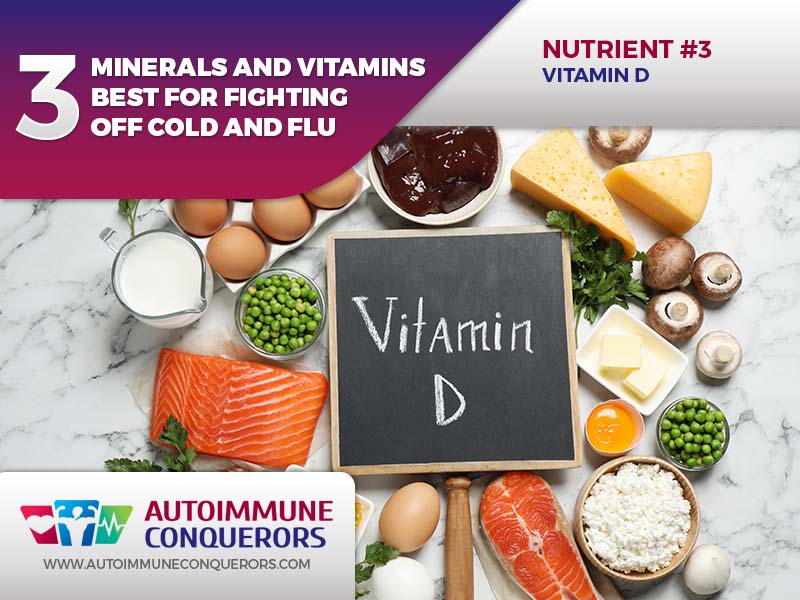
3Vitamin D
Another essential nutrient to have when you get a chest or head cold is vitamin D. If you are outdoors often, you probably already get enough vitamin D, as its most natural source is the sun's UV rays. However, when you are sick, you spend a lot of time indoors. Plus, the cold is more common in the fall and winter seasons when you tend to have colder days without a lot of sunshine.
For this reason, you should focus on getting more vitamin D in other ways. This might be with a supplement you take every day, a multivitamin, or with food sources like yogurt, cheese, milk, tofu, or fortified cereal. As you can see, something as simple as eating a healthy, well-balanced diet can help you get all the vitamins and minerals you need to help treat a cold and boost your immune system in general.

Now, you have a good list of vitamins to help you get through and prevent a cold or flu. First, we talked about zinc. Then, we went over some benefits of vitamin C and how to get it. And finally, we learned about getting vitamin D when you're sick and without much sunlight.
As many people know, eating healthy is one significant way of preventing illnesses from taking root. However, it's also great for getting better when you're already sick. It can be challenging, as a loss of appetite can be expected when you're ill. However, hopefully, this article has given you some ideas and plans for eating right, even when you're sick!
.png)
.png)
.png)
.png)
.png)