
CThe flu and cold usually come with similar symptoms and may be confused with one another. These two illnesses typically hit the hardest in the fall and winter. They are often confused because they sometimes start in the same way. However, even down to the symptoms, they can be quite different.
Take a look at these similarities and differences between cold and flu symptoms. First, we'll go over cold symptoms and then flu symptoms. Then, we will discuss the treatment of cold vs. flu symptoms.
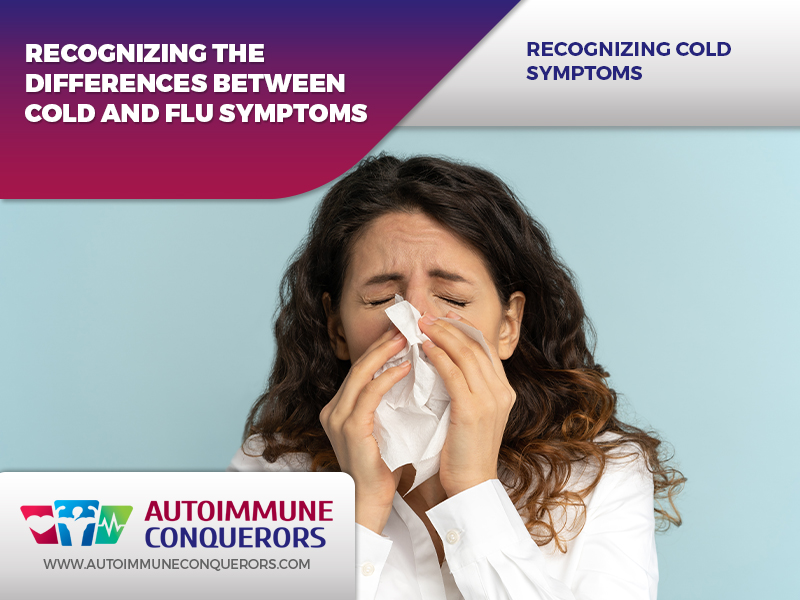
Recognizing Cold Symptoms
You know your body and know when you feel ill but are not always sure if you have a cold or the flu. Cold and flu are important distinctions because they are treated somewhat differently. While the cold is something you can handle at home, many cases of the flu require seeing a doctor.
The symptoms tend to be less severe with a cold and often include congestion, a runny nose, cough, and sore throat. You might have a slight fever, but it is often not too severe. You may notice these symptoms for a few days or up to a week. The cold will usually last fewer days than the flu.
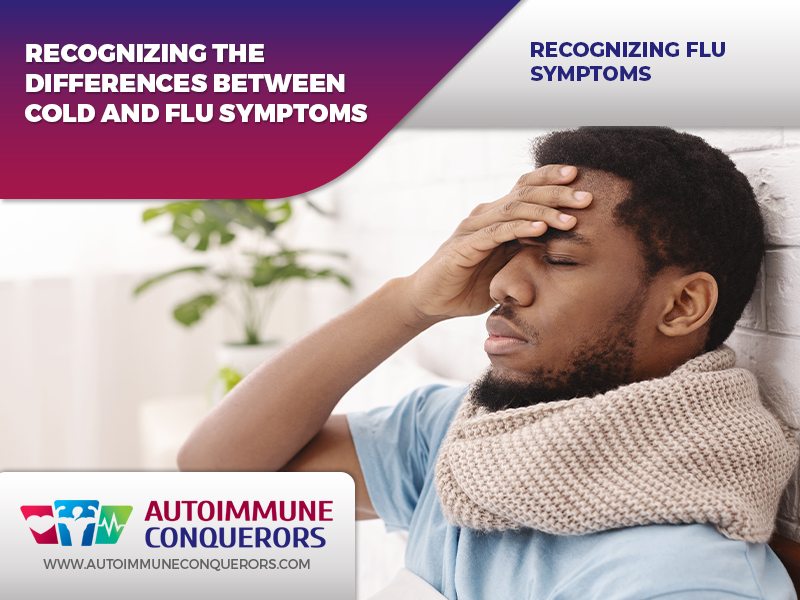
Recognizing Flu Symptoms
With the flu, expect to experience your symptoms for a more extended period of time and often more severely. It may start similar to a cold, with a sore throat, cough, and congestion. However, the flu often leads to bad headaches, a high fever, a worse cough, and muscle aches and pains.
You may also notice that as the flu progresses, you start experiencing severe fatigue, and you can barely get out of bed and move around. Some people with the flu may also experience diarrhea and vomiting. Since you are at risk of dehydration with the flu, you should see a doctor for proper treatment.

When Treating A Cold Vs. The Flu
If you think that you have a cold or the flu, you might want to see a doctor in either case. With a common head cold that doesn't get better in a few days, it is good to see a doctor and find out if it might be a sinus infection, flu, or another illness. Treating a head cold often includes getting plenty of fluids, rest, and treating your various symptoms.
Your doctor might prescribe antibiotics or other medications for the flu, and in more severe cases, medical attention may be necessary. Also, see a doctor if you have a cold or flu with vomiting or diarrhea. This can increase your risk of dehydration; if you can't even keep fluids down, you might need medical treatment.

In this article, we took a look at the similarities and differences between cold and flu symptoms. First, we went over cold symptoms and then flu symptoms. Then, we discussed the treatment of cold vs. flu symptoms.
The common cold and the flu are often thought to be similar, and people tend to conflate the two. However, they are not the same disease, and the symptoms are very different. You are now aware of recognizing the differences between a cold and the flu and how to treat them.
.png)
.png)
.png)
.png)
.png)